Traveling across Switzerland taught me far more than I expected. From the efficiency of its trains to the beauty of its hidden mountain villages, every day felt like a new discovery. These lessons shaped my entire trip, and they’ll help you plan a smoother, smarter, and more memorable journey through Switzerland.
Lesson 1: The Swiss Travel System Is the Most Efficient I’ve Ever Seen
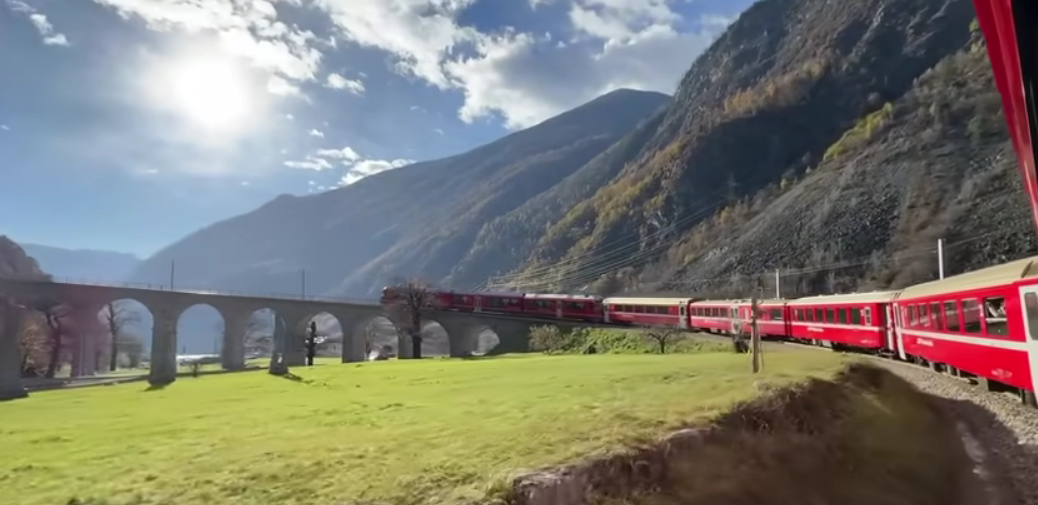
Switzerland’s travel network impressed me more than any country I’ve visited. Here are the key things I learned — simple, clear, and extremely useful for any traveler:
- Trains are always on time.
If a train is scheduled for 10:04, it leaves at 10:04. This accuracy lets you plan confidently without worrying about delays. - Connections are perfectly synchronized.
Buses, boats, funiculars, and trains arrive within minutes of each other. You rarely wait long between connections, even in remote areas. - The Swiss Travel Pass saves time and stress.
One pass covers trains, buses, boats, museums, and many mountain rides. You avoid buying multiple tickets and simply hop on. - The SBB Mobile app is your best friend.
It shows real-time schedules, platform numbers, delays, and alternative routes. It even alerts you before your connection arrives. - You can reach almost any village by public transport.
Even tiny mountain towns have reliable service. You don’t need a car. - Stations are easy to navigate.
Most stations have English information, and audio announcements are easy to follow. - Comfortable and clean rides.
Trains and buses are tidy, quiet, and well-maintained, making long journeys enjoyable. - Travel is predictable and stress-free.
You can confidently plan multiple connections in a day without worrying about delays.
Lesson 2: Everything Works Smoothly — But Planning Ahead Helps
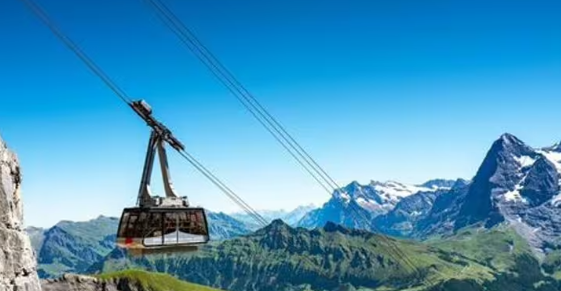
Switzerland runs with impressive precision, but I quickly learned that a bit of planning makes the experience even better. Here are the most important things to keep in mind:
- Book mountain excursions early.
Popular spots like Jungfraujoch, Pilatus, or Titlis can sell out during peak months. Early booking guarantees your preferred time slot. - Check cable car schedules in advance.
Many mountain lifts close for maintenance in spring or autumn. It’s easy to overlook this if you don’t check ahead. - Start your days early to avoid crowds.
Trains, viewpoints, and lakeside paths are quieter before 10:00. Morning light is also better for photos. - Reserve restaurants in popular areas.
In places like Zermatt, Lucerne, or Interlaken, dinner spots get fully booked, especially on weekends. - Monitor weather closely.
Conditions in the Alps change rapidly. Apps like MeteoSwiss help you avoid fog, storms, or closed trails. - Buy tickets online when possible.
Whether it’s boats, museums, or mountain rides, online booking saves time and keeps your schedule flexible. - Plan backup activities for bad weather.
Indoor attractions — museums, spas, old towns — make rainy days still enjoyable. - Keep travel times in mind.
Switzerland looks small, but mountain routes can take longer than expected.
Lesson 3: Switzerland Is Expensive — But You Can Travel Smart
Switzerland has a reputation for high prices — and it’s true. But with a few smart choices, you can enjoy the country without overspending. Here’s what I learned:
- Use supermarkets for meals.
Coop, Migros, and Aldi offer fresh salads, sandwiches, pastries, and hot meals that cost a fraction of restaurant prices. - Choose the Swiss Travel Pass wisely.
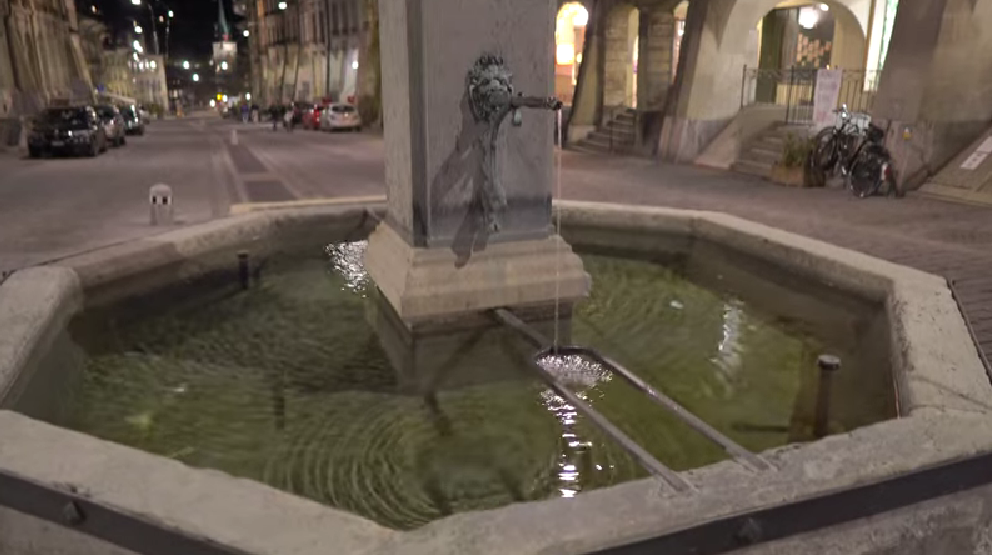
If you plan multiple train rides or museum visits, the pass can save you a lot. But for short stays, point-to-point tickets or Saver Day Passes might be cheaper. - Drink tap water — it’s excellent.
Swiss tap water is clean, fresh, and available almost everywhere. Refill your bottle instead of buying new ones. - Stay in smaller towns instead of hotspots.
Accommodations in villages near major tourist areas can be 20–40% cheaper and offer equally beautiful scenery. - Take advantage of free attractions.
Many old towns, lakesides, rivers, and hiking trails cost nothing — and they’re among the most beautiful experiences. - Book trains and hotels early.
Prices rise as dates get closer, especially in summer and December. - Avoid eating in high-tourist zones.
Restaurants near major attractions are usually the most expensive. - Use day passes for specific regions.
Local transport networks often offer cheap unlimited travel within certain zones.
Lesson 4: Small Villages Are as Beautiful as the Famous Spots
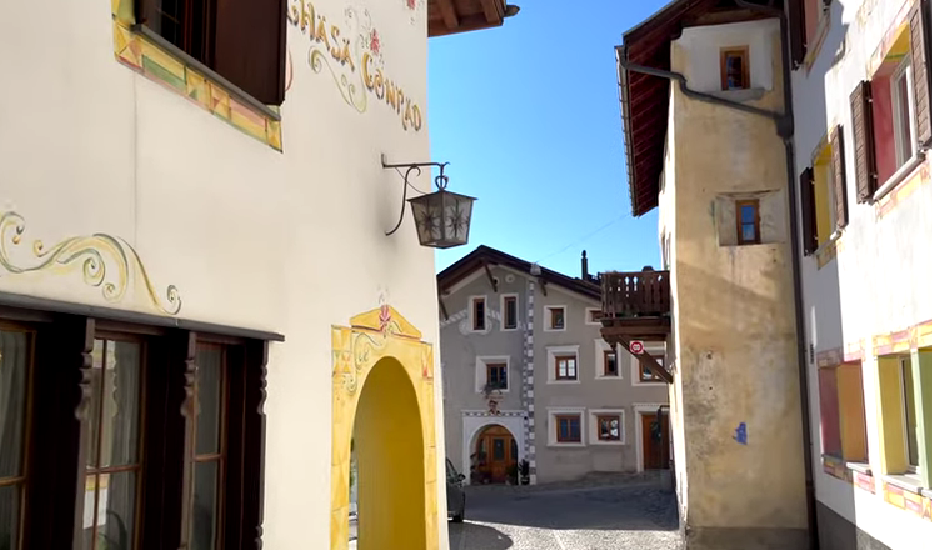
One of the biggest surprises during my trip was discovering how stunning Switzerland’s small villages are. They offer the same postcard-perfect charm as famous destinations — often with fewer crowds and more authentic experiences. Here’s what stood out:
- Less crowds, more authenticity.
Villages feel peaceful compared to popular hotspots like Zermatt or Lucerne. You can slow down and enjoy real Swiss life. - Traditional architecture everywhere.
Wooden chalets, flower-filled balconies, and cobblestone streets create a fairy-tale atmosphere you won’t forget. - Some villages are older than big cities.
Places like Guarda, Andermatt, and Appenzell have preserved traditions for centuries, offering deep cultural roots. - Most villages are easily accessible by train.
Even remote mountain towns often have reliable public transport connections — no car needed. - Perfect for photography.
Early mornings and sunsets in small villages offer breathtaking light, charming houses, and dramatic mountain backdrops. - Lower accommodation costs.
Staying in villages near major attractions can be significantly cheaper than booking hotels in the main tourist hubs. - Local food tastes better here.
Family-run restaurants and farms offer fresh products, often at lower prices than in big cities. - Great starting points for hiking.
Many trails begin right at the edge of the village, making it easy to explore nature.
Lesson 5: Hiking Is a Way of Life in Switzerland
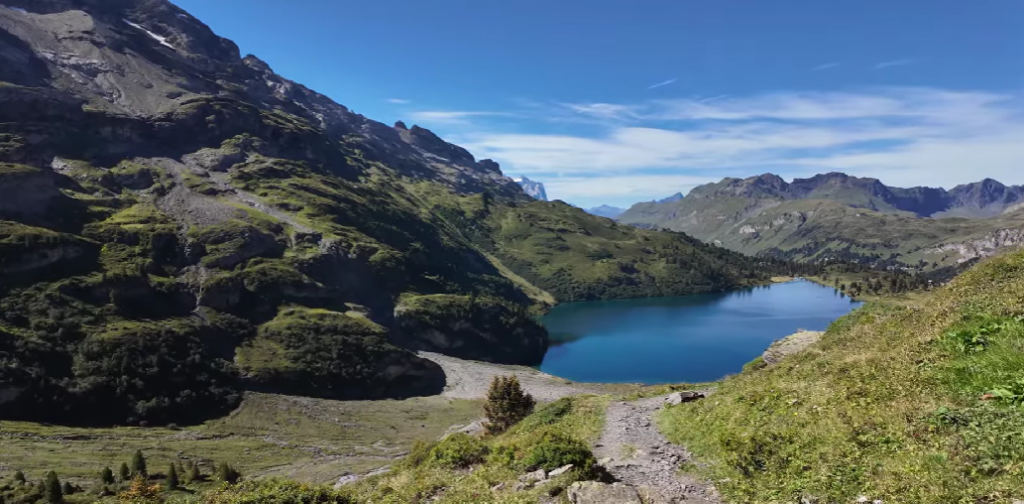
Switzerland treats hiking not just as an outdoor activity, but as part of its national identity. Whether you’re a beginner or an experienced hiker, the country makes it incredibly easy to enjoy its trails. Here’s what I learned:
- Trails are perfectly marked.
Yellow signs show distance, direction, and estimated time. You rarely need a map because everything is clearly indicated. - There are routes for every level.
From flat lakeside paths to panoramic ridge walks, Switzerland offers options for beginners, families, and advanced hikers. - Public transport connects directly to trails.
You can step off a train or cable car and start hiking immediately — no long transfers or extra planning required. - Hiking safety is taken seriously.
Weather warnings, route closures, and signposts keep hikers informed. Always check conditions before starting. - The scenery changes constantly.
Within one hour you might walk through forests, meadows, waterfalls, and mountain viewpoints — all on the same trail. - Swiss people hike year-round.
Summer is popular, but spring and autumn offer quieter, equally beautiful routes. Winter hiking paths also exist. - Many trails end at cozy mountain huts.
These huts serve warm meals, homemade cakes, and refreshing drinks — a perfect reward. - Good shoes make all the difference.
Even on easy paths, proper footwear helps on gravel, roots, and uneven terrain.
Lesson 6: Swiss Lakes Are Shockingly Clear and Swimmable
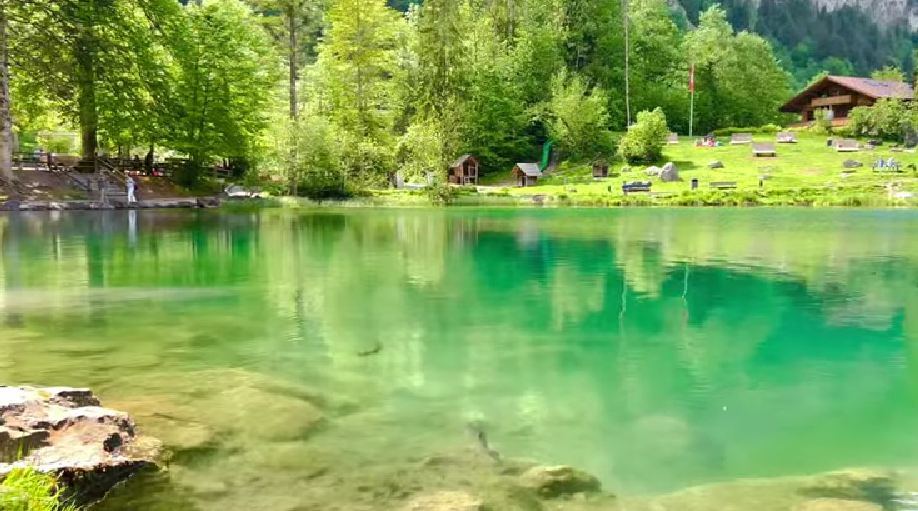
One of the most surprising things about Switzerland is how clean and inviting its lakes are. Many look like giant turquoise pools — and yes, you can swim in most of them. Here’s what I discovered:
- The water is incredibly clear.
Lakes like Brienz, Lucerne, and Thun have water so transparent you can see rocks and fish several meters below. - Swimming is allowed almost everywhere.
Many lakeshores are open to the public, with designated swimming areas and natural beaches. - The water is cold but refreshing.
Summer temperatures range from 18–24°C. It’s chilly at first, but perfect on a hot day. - Free lake access is common.
Switzerland has many free “Badi” (public swimming spots) with changing rooms, showers, and grassy areas. - Boat rides offer amazing views.
Scenic cruises take you past mountains, villages, and waterfalls — some boats are even historic paddle steamers. - Safety is taken seriously.
Marked swimming zones, lifeguards in popular areas, and clear signs help keep everyone safe. - Lakeside towns are beautiful.
Places like Weggis, Spiez, and Montreux offer promenades, gardens, and relaxing cafes right on the water. - Water sports are widely available.
Paddleboarding, kayaking, and small boat rentals are common and beginner-friendly.
Lesson 7: Weather Changes Fast — Be Prepared for Anything
One of the biggest lessons I learned in Switzerland is that the weather can change in minutes, especially in the mountains. Planning ahead is essential. Here’s what you need to know:
- Check forecasts daily.
Use apps like MeteoSwiss or local signs to track temperature, rain, and fog before heading out. - Layer your clothing.
Bring a base layer, warm mid-layer, and waterproof outer layer. Temperatures can drop quickly at higher altitudes. - Rain can appear suddenly.
Even on sunny mornings, clouds may roll in by noon. A small travel umbrella or packable rain jacket is a must. - Sun protection is essential.
UV rays are strong at altitude. Sunglasses, sunscreen, and a hat help prevent burns even on cloudy days. - Wind can be intense on ridges.
Lightweight windproof jackets and hats keep you comfortable during mountain hikes. - Plan indoor alternatives.
Museums, historic towns, or cozy cafes are lifesavers during sudden storms or heavy rain. - Morning is usually more stable.
Many hikers start early to enjoy calm weather and clear views. - Check trail closures in advance.
Some routes close unexpectedly due to snow, rockfalls, or maintenance.
Lesson 8: Locals Are Polite, Reserved, and Very Helpful
One of the most memorable parts of traveling across Switzerland was interacting with the locals. Their politeness and helpfulness made my trip smoother and more enjoyable. Here’s what I learned:
- Swiss people are extremely polite.
Greetings, thank-yous, and small courtesies are expected and appreciated everywhere. - They are reserved but approachable.
Don’t expect loud friendliness at first, but once you ask politely, they are happy to help. - Language varies by region.
German, French, Italian, and Romansh are spoken in different areas. Knowing a few local phrases goes a long way. - English is widely understood.
Most younger people and service staff speak English, making navigation easier for tourists. - Helpful public transport staff.
Conductors and ticket counters give clear instructions and often suggest the fastest or cheapest route. - Locals protect their environment.
You’ll notice how careful people are about littering, recycling, and respecting nature. - Cultural etiquette matters.
Simple gestures like waiting for your turn, queuing politely, and greeting shopkeepers show respect. - They love their traditions.
Observing festivals, local markets, and regional customs with curiosity is welcomed.
Lesson 9: Swiss Food Is Underrated — and Portion Sizes Are Huge
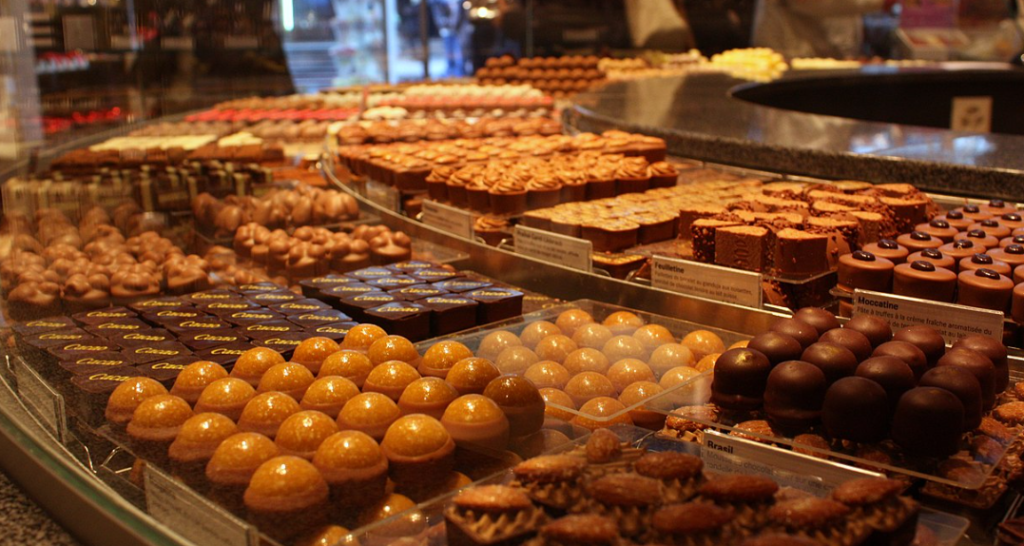
Many travelers underestimate Swiss cuisine, but the food is surprisingly delicious — and filling. Here’s what I discovered during my journey:
- Cheese is everywhere.
Fondue, raclette, and rösti are staples. Each region has its own variation and local cheese specialty. - Portions are generous.
Expect large plates in restaurants. Sharing a meal can often be enough for two. - Bakeries are a must-visit.
Try fresh pastries, bread, and tarts from local bakeries. They’re affordable and incredibly tasty. - Seasonal and local ingredients dominate.
Farmers’ markets offer fresh fruits, vegetables, and dairy, reflecting the Swiss commitment to quality. - Chocolate lovers are in heaven.
Swiss chocolate is world-famous, and local chocolatiers offer unique flavors you won’t find elsewhere. - Supermarket meals can be surprisingly good.
Coop, Migros, and Aldi provide fresh sandwiches, salads, and ready-to-eat dishes that are both tasty and convenient. - Regional specialties are worth trying.
From Bündner Nusstorte in Graubünden to Basler Läckerli in Basel, every canton has a must-try dish. - Swiss food is family-friendly.
Kids and adults alike will find simple yet satisfying options, from sausages to pasta dishes.
Lesson 10: The Views Never Get Old — Every Region Feels Like a New Postcard
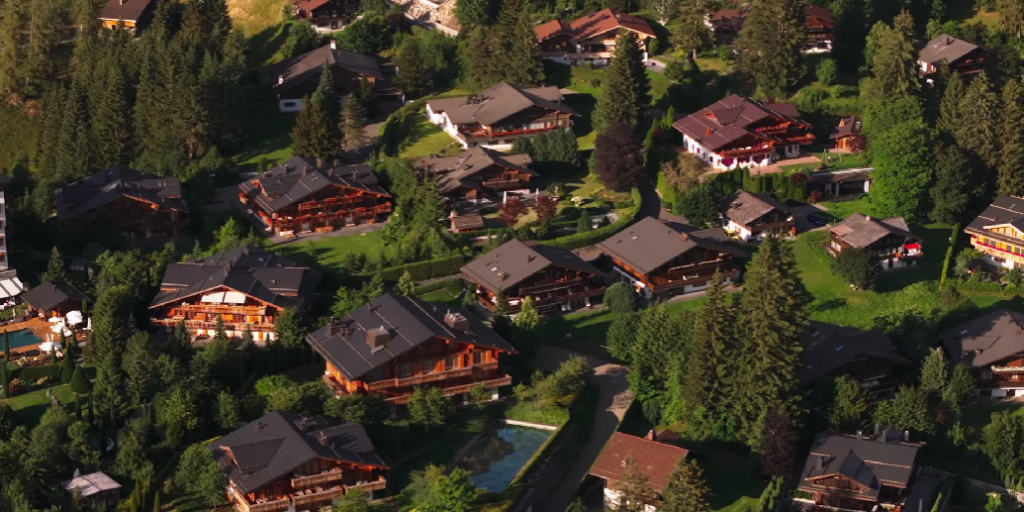
One of the most unforgettable lessons from traveling across Switzerland is that its scenery never becomes boring. Every region feels like stepping into a new postcard. Here’s what I noticed:
- Alpine peaks are breathtaking everywhere.
From the Jungfrau region to the Engadin Valley, towering mountains create dramatic backdrops. - Lakes reflect the sky perfectly.
Turquoise and crystal-clear waters mirror surrounding mountains and villages, creating magical views. - Valleys and meadows are full of color.
In spring and summer, wildflowers and green fields make every hike or drive visually stunning. - Each village offers unique charm.
Cobblestone streets, wooden chalets, and local architecture make towns like Appenzell and Guarda look like storybook scenes. - Sunrise and sunset are unforgettable.
Light changes the landscape dramatically. Early mornings and evenings are perfect for photography. - Train journeys double as sightseeing tours.
Routes like the Glacier Express or Bernina Express provide panoramic windows to soak in scenery. - Seasonal contrasts keep it fresh.
Snowy winters, golden autumns, and lush summers make each visit feel entirely different. - Even small detours offer incredible views.
A short drive or hike often leads to unexpected valleys, waterfalls, or viewpoints.
Bonus Section: My Personal Top 5 Places in Switzerland
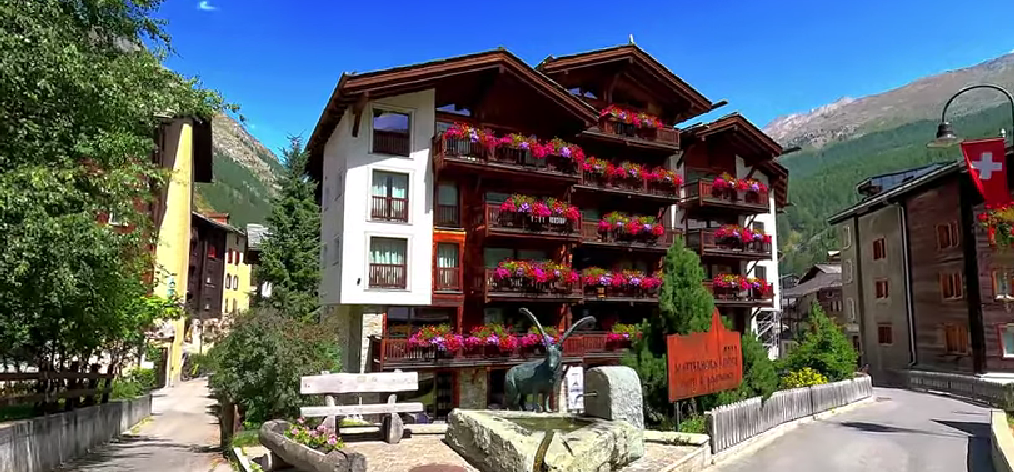
After traveling across Switzerland, I discovered some spots that left a lasting impression. Here are my personal top five:
- Zermatt and the Matterhorn
Iconic and breathtaking, Zermatt offers stunning views of the Matterhorn, cozy streets, and amazing hiking trails. Perfect for both adventure and relaxation. - Lake Brienz
Turquoise waters, charming lakeside villages, and calm boat rides make Lake Brienz a hidden gem. Ideal for photography and peaceful walks. - Appenzell Village
A small town full of Swiss charm, colorful houses, and local traditions. It’s perfect for exploring on foot and experiencing authentic Swiss culture. - Jungfraujoch – Top of Europe
The views from Jungfraujoch are unforgettable. Snow-capped peaks, glaciers, and panoramic terraces make it a must-see for first-time visitors. - Lauterbrunnen Valley
Famous for waterfalls and lush meadows, Lauterbrunnen feels like a fairy-tale landscape. Hiking, biking, or simply relaxing here is a magical experience.
Conclusion
Switzerland stole my heart…and my wallet! From trains that run on Swiss precision to lakes so clear I almost mistook them for gin, every corner amazed me. Pack layers, bring snacks, and prepare to fall in love with mountains, chocolate, and ridiculously polite locals. Switzerland: worth every franc and selfie!